February 11, 2026
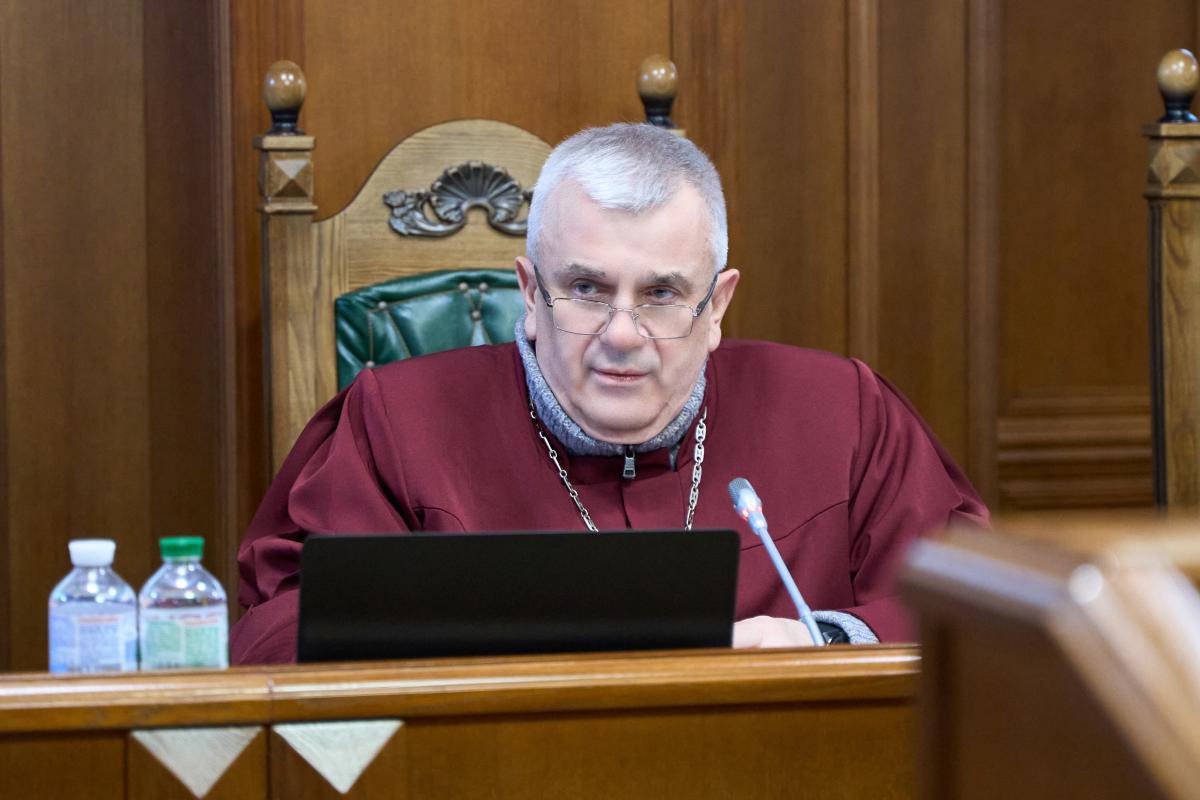
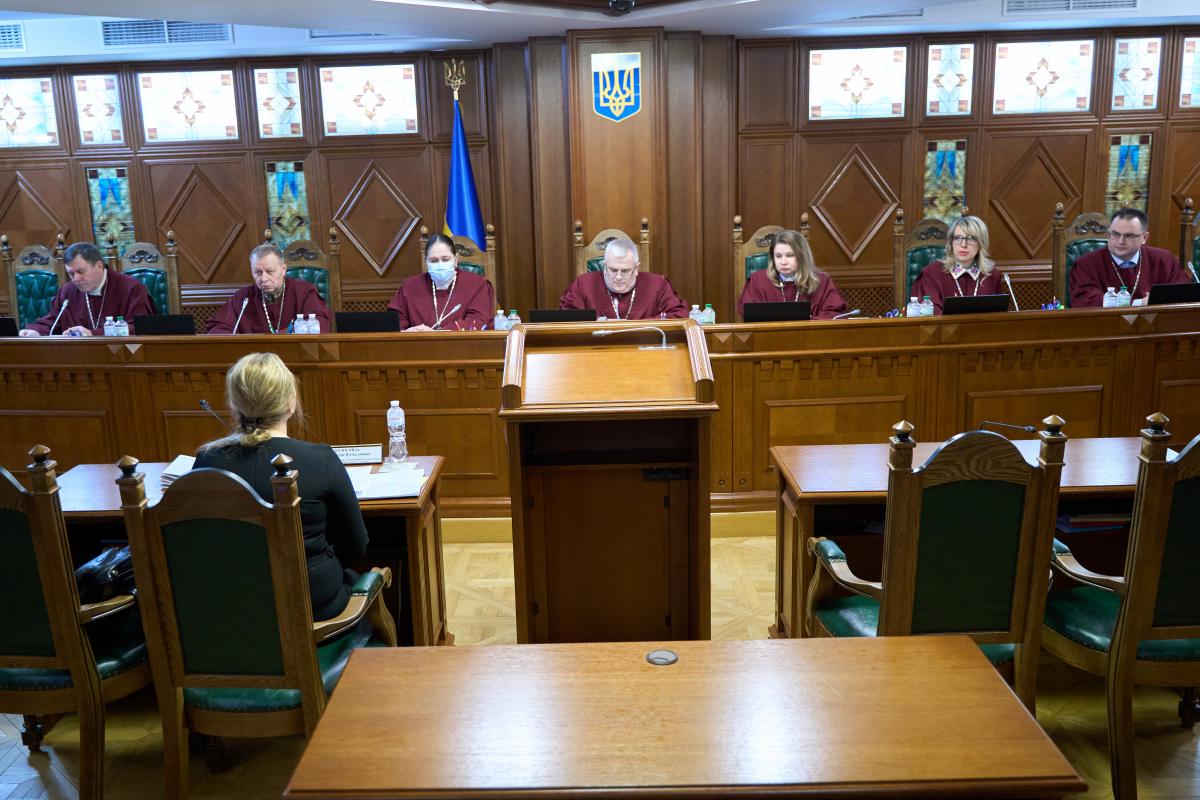
On February 11, 2026, during the public part of the plenary session, the First Senate deliberated, in written proceedings, the case upon constitutional complaint of the private joint-stock company KINTO (hereinafter the “Company”) regarding the constitutionality of paragraph 12 of Article 34.1 of the Law of Ukraine “On Enforcement Proceedings” No. 1404-VIII dated June 2, 2016, (hereinafter the “Law”).
The judge-rapporteur in the case, Oleksandr Petryshyn, informed that, according to paragraph 12 of Article 34.1 of the Law, the executor shall suspend enforcement actions in the event of "the inclusion of the debtor's single property complex – a state or municipal enterprise, a block of shares (stakes) amounting to more than 50 percent of the debtor's authorized capital – a business entity – to the list of small or large privatization objects subject to privatization”.
The subject of the right to constitutional complaint requests that the contested provisions of the Law be reviewed for compliance with part two of Articles 3.2, 6.1, 8, 13.3, 13.4, 19.2, 22.1, 22.3, 41.1, 41.4, 41.7, 55.1, 55.2, 129.2.9, 129¹.1, 129¹.2 of the Constitution of Ukraine.
Based on the results of the analysis of the constitutional complaint and the materials attached thereto, the following conclusions can be drawn.
The Company filed a number of lawsuits against Public Joint Stock Company Centrenergo (hereinafter referred to as PJSC Centrenergo) with commercial courts. The Commercial Court of Kyiv Region upheld the Company's claims. In particular, it recovered from PJSC Centrenergo in favor of the shareholders funds as unpaid dividends for 2018, as well as court fees and professional legal assistance costs. In addition, it recovered from PJSC Centrenergo in favor of the Public Joint Stock Company Closed Undiversified Corporate Investment Fund Synergy Club the debt, penalty, and court fees; in favor of Non-Business Association Open Pension Fund “Social Standard” – the principal debt, penalties, and court fees.
In accordance with the court decisions in these cases, enforcement documents were issued and corresponding enforcement proceedings were initiated. Subsequently, the state enforcement officer suspended enforcement actions in these proceedings on the basis of paragraph 12 of part one of Article 34 of the Law. Disagreeing with the decisions to suspend and the prolonged inaction of the enforcement officer, the Company challenged his actions (inaction) in court. As a result of the deliberation of the complaints, they were denied.
According to the Association, “the contested provisions of the Law have made it impossible to enforce court decisions in its cases for more than four years, thereby violating the right to a fair trial”.
The First Senate examined the materials of the case and proceeded to in-camera part of the plenary session to deliver its decision.
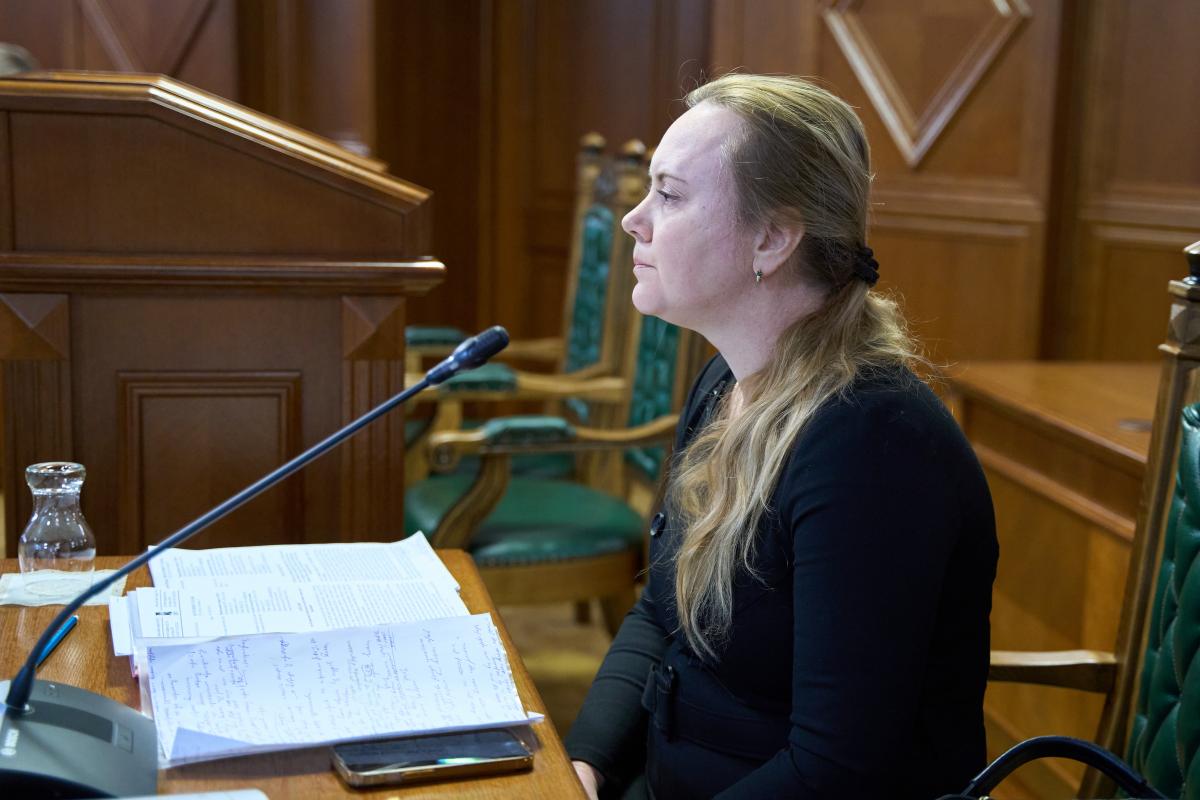
The plenary session was attended by an authorized representative acting on behalf of the subject of the constitutional complaint, lawyer Oleksandra Kologoyda, and media representatives.
A video recording of the session can be viewed on the official website of the Court under the heading “Video broadcasts of CCU sessions” – “Archive of video broadcasts of sessions.”