The Constitutional Court of Ukraine Considers the Case Upon the Constitutional Complaint of A. Lebedieva
08.10.2026
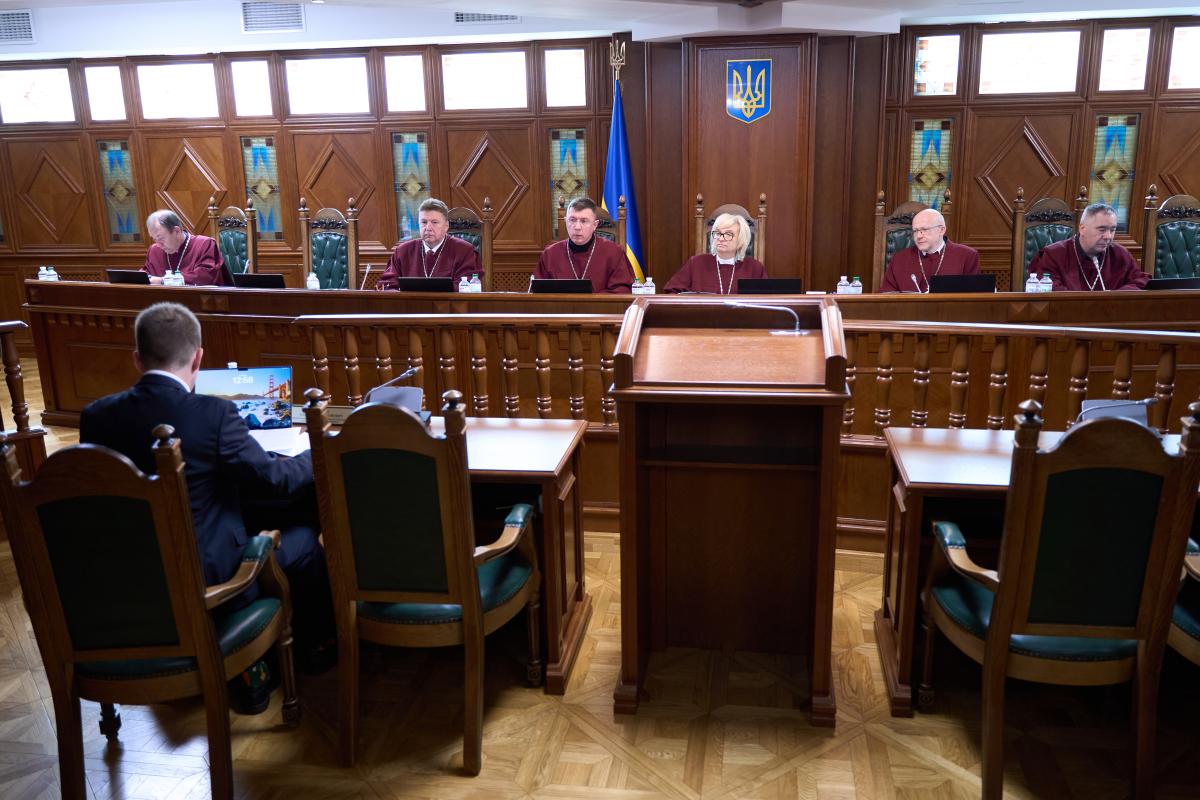
On 30 September 2026, the Second Senate of the Constitutional Court of Ukraine, during the public part of the plenary session held in the form of written proceedings, commenced consideration of the case upon the constitutional complaint of Alona Lebedieva.
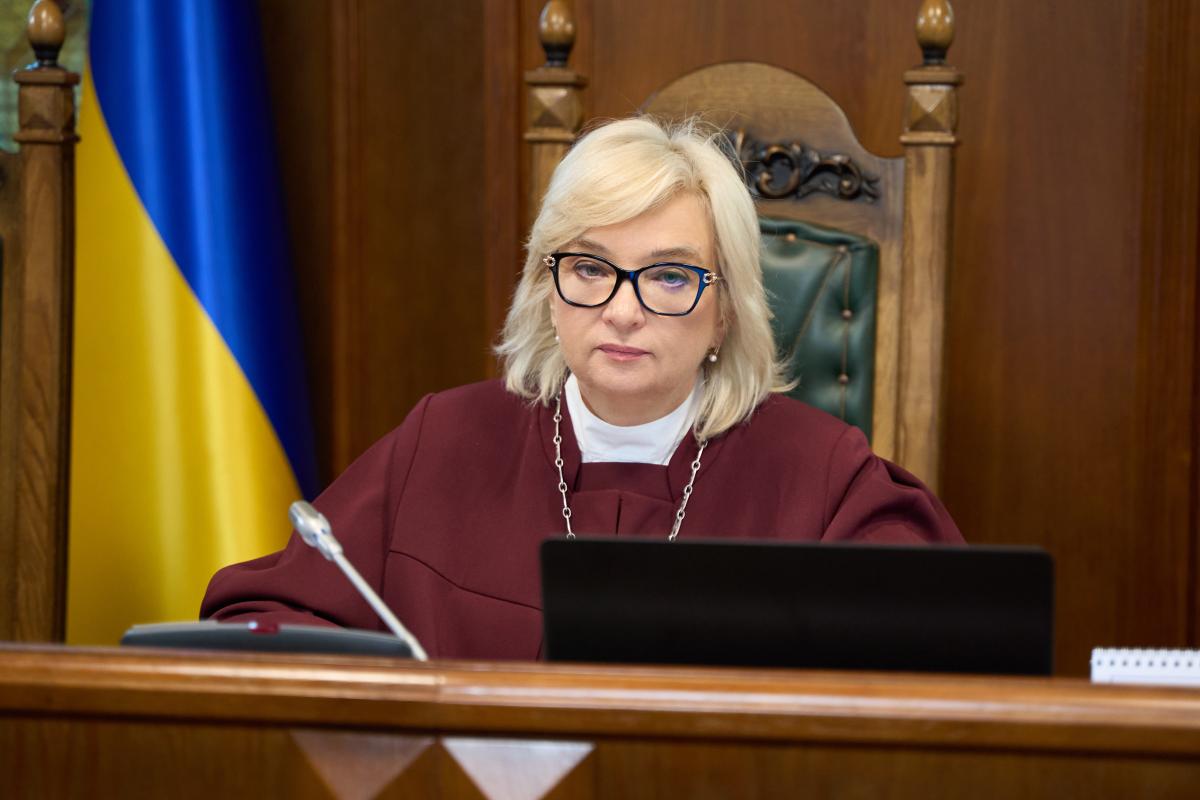
The Judge-Rapporteur in the case, Galyna Yurovska, noted that the subject of the right to a constitutional complaint had appealed the Constitutional Court of Ukraine to review the constitutionality of the second sentence of Articles 293.2 and 294.1 of the Code of Administrative Procedure of Ukraine (hereinafter, the “Code”).
Pursuant to the second sentence of Article 293.2 of the Code, “appeals against court rulings not provided for by Article 294 of this Code separately from a court decision shall not be permitted.”
Article 294.1 of the Code establishes a list of rulings of a court of first instance that may be appealed separately from a court decision.
It follows from the constitutional complaint and the materials attached thereto that personal special economic and other restrictive measures (sanctions) were imposed on A. Lebedieva pursuant to the Decision of the National Security and Defence Council of Ukraine dated 12 May 2023 “On the Application and Amendment of Personal Special Economic and Other Restrictive Measures (Sanctions)”, put into effect by Decree of the President of Ukraine No. 279/2023 dated 12 May 2023.
The case concerning A. Lebedieva’s challenge to the said sanctions is being considered by a panel of judges of the Administrative Court of Cassation within the Supreme Court, sitting as a court of first instance. The case file contains a certificate of the Security Service of Ukraine bearing the security classification “Secret” concerning information used in preparing proposals for the application of personal special economic and other restrictive measures (sanctions) against A. Lebedieva.
A. Lebedieva filed a claim with the administrative court against the Security Service of Ukraine, seeking a declaration that the actions taken to classify the information as secret were unlawful.
By its ruling dated 19 September 2025, the Cherkasy District Administrative Court ordered the Division for Classified and Secret Records Management of the Supreme Court to send the Security Service of Ukraine certificate No 5/7/5/1-1255t dated 21 September 2023 (or the relevant volume of the case file in case No. 990/152/23) to the Cherkasy District Administrative Court after a decision had been rendered in that case.
A. Lebedieva considers that, as a result, the examination of the decisive evidence in case No. 320/10336/25 and, consequently, the determination of that case on its merits, had been depended on the completion of proceedings in another case (No. 990/152/23), the time frame for the consideration of which has not been determined and is beyond A. Lebedieva’s control.
The ruling of the Cherkasy District Administrative Court dated 19 September 2025 was challenged on appeal and in cassation proceedings. A. Lebedieva considers the ruling of the panel of judges of the Administrative Court of Cassation within the Supreme Court dated 7 July 2026 to be the final judicial decision, by which the opening of cassation proceedings on her cassation appeal against the ruling of the Sixth Administrative Court of Appeal dated 9 June 2026 was refused.
At the request of A. Lebedieva’s representative, by its ruling dated 29 June 2026, the panel of judges of the Administrative Court of Cassation within the Supreme Court stayed the proceedings in case No. 990/152/23 pending the entry into force of the judicial decision of the Cherkasy District Administrative Court in case No. 320/10336/25.
The subject of the right to a constitutional complaint concludes that the contested provisions of the Code, as applied in the final judicial decision of the panel of judges of the Administrative Court of Cassation within the Supreme Court dated 7 July 2026, deprive A.P. Lebedieva of judicial protection.
The judges will be briefed, during the in-camera part of the plenary session, of the substance of the positions expressed by bodies of state power and academic institutions in response to requests concerning the issues raised in the constitutional complaint.
Having examined the case materials, the Court proceeded to the in-camera part of the plenary session.
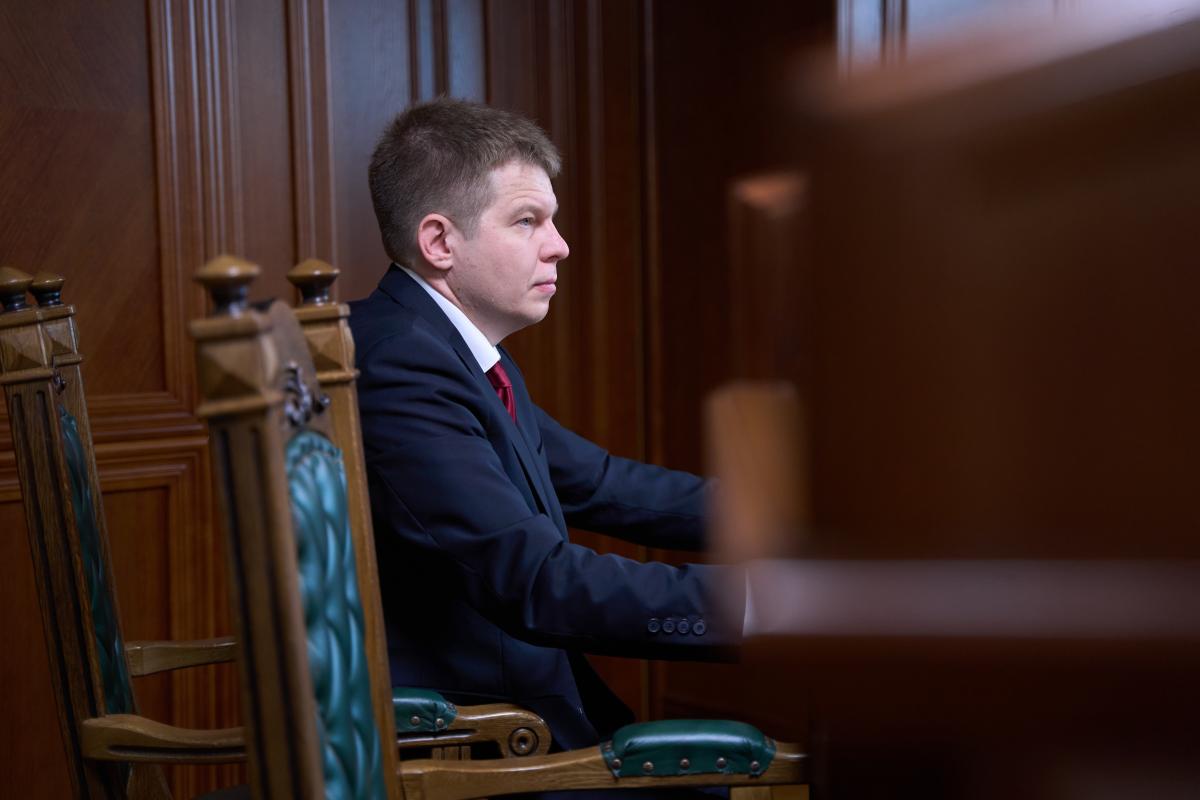
The plenary session was attended by the authorised representative acting on behalf of the subject of the right to a constitutional complaint, lawyer Oleksandr Shadrin.
A video recording of the plenary session is available on the Court's official website under the heading “Archive of Video Broadcasts of Sessions”.